Spelling Guides

Browse all our English spelling and word comparisons articles — clear, practical, and regularly updated.

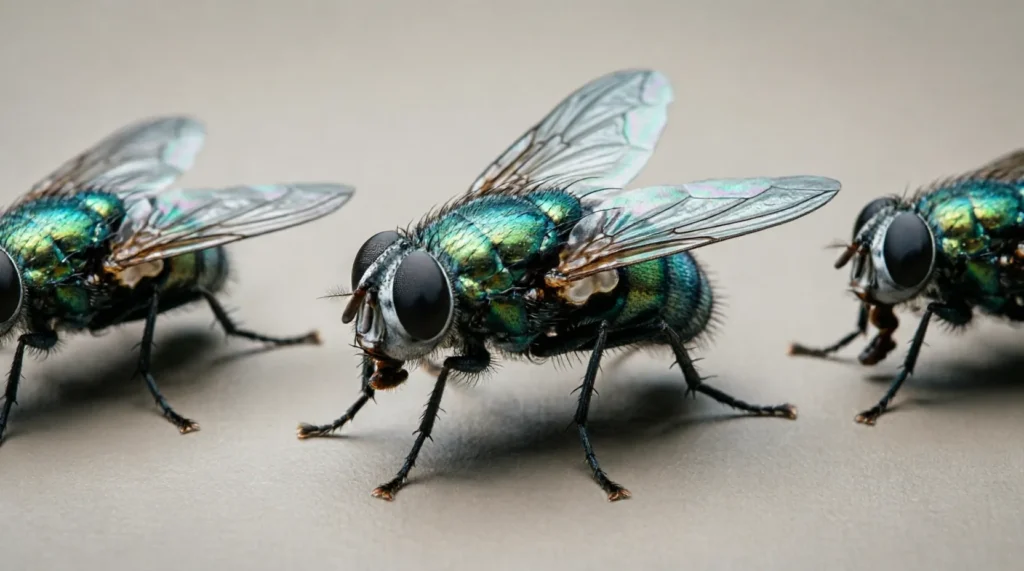
Flys or Flies Bug: The Correct Spelling for Insects and…

Flys or Flies Bug: The Correct Spelling for Insects and Verbs

Quick answer: The correct spelling is flies. “Flys” is almost always a misspelling when referring to the insect or the verb form of “to fly.” The only common exception is the proper noun Flys, such as the name of a band. If you have ever paused mid-sentence, hovering over your keyboard, wondering if that buzzing

Flys or Flies Bug: The Correct Spelling for Insects and Verbs Read More »

Spelling Guides


Floss or Waterpik First? Scrub Plaque Then Rinse It Away

Floss or Waterpik First: The Definitive Order for Cleaner Teeth

Quick answer: Use dental floss first, then use your Waterpik. Flossing physically scrapes away sticky plaque and debris from between teeth, while the Waterpik flushes out the loosened particles and reaches areas floss cannot. Doing it in this order ensures the water jet has a clear path to clean effectively. Many people stand in their

Floss or Waterpik First: The Definitive Order for Cleaner Teeth Read More »

Spelling Guides
Use nonexistence, not non existence: correct spelling guide

Existence or Non Existence: The Correct Spelling and Usage Guide

Quick answer: The correct term is nonexistence (one word, no hyphen). “Non existence” as two separate words is incorrect in standard English. When referring to the state of not existing, always use the single compound noun nonexistence. For the positive state, use existence. Writers frequently stumble over this pair because the prefix “non-” creates visual

Existence or Non Existence: The Correct Spelling and Usage Guide Read More »

Spelling Guides
Ensure vs Make Sure: Use Ensure for Formal Writing

Ensure or Make Sure: The Editor’s Guide to Correct Usage

Quick answer: Use ensure in formal writing, professional emails, and technical documentation. Use make sure in casual conversation, informal texts, and spoken English. Both mean “to guarantee,” but ensure carries a tone of authority and precision, while make sure is conversational and direct. Writers often stumble over the choice between ensure and make sure. It

Ensure or Make Sure: The Editor’s Guide to Correct Usage Read More »

Spelling Guides
Eggshell vs Bone Color: Warmth, Durability & When to Use…

Eggshell vs Bone Color: Which Neutral Paint Should You Choose?

Quick answer: Eggshell and bone are both warm off-white paint colors, but bone is slightly warmer and creamier while eggshell has a subtle gray-beige undertone. Choose bone for cozy, traditional spaces and eggshell for modern, clean-looking rooms with better durability. If you’ve ever stood in a paint store staring at dozens of white swatches, you

Eggshell vs Bone Color: Which Neutral Paint Should You Choose? Read More »

Spelling Guides
Effect or Affect Difference: Fix 3 Common Resume Errors

The Effect or Affect Difference: A Copy Editor’s Guide to Getting It Right

Quick answer: Use affect as a verb meaning to influence or produce a change, and use effect as a noun meaning the result of that change. If you are describing the action, use affect; if you are describing the outcome, use effect. I see this error constantly in cover letters, corporate emails, and even published

The Effect or Affect Difference: A Copy Editor’s Guide to Getting It Right Read More »

Spelling Guides
Best Simile for Hero: Why "Lighthouse" Beats "Lion"

Best Simile for Hero: The Definitive Guide to Powerful Comparisons

Quick answer: There is no single “best” simile for hero, as the ideal comparison depends on the specific trait you wish to highlight. However, the most universally resonant simile is “like a lighthouse in a storm,” because it captures the essential heroic qualities of guidance, stability, and hope amidst chaos. Writers often struggle to find

Best Simile for Hero: The Definitive Guide to Powerful Comparisons Read More »

Spelling Guides
Drier vs More Dry: Use Drier for Comparisons, Not More Dry

Drier or More Dry: The Definitive Guide to Correct Usage

Quick answer: Use drier when referring to a machine that removes moisture (like a clothes dryer) or as the comparative form of “dry” in most standard contexts. Use more dry only when emphasizing the degree of dryness in a specific, often stylistic context, though it is generally less preferred than “drier.” The confusion between “drier”

Drier or More Dry: The Definitive Guide to Correct Usage Read More »

Spelling Guides
Dysfunction UK: Why "Disfunction" Is Always Wrong

Disfunction or Dysfunction UK: Which Spelling Is Correct?

Quick answer: “Dysfunction” is the only correct spelling in UK English (and US English too). “Disfunction” is a misspelling and should never be used in formal writing, professional documents, or published content. These two spellings get confused because they sound nearly identical when spoken aloud, and both appear to follow standard English prefix patterns. The

Disfunction or Dysfunction UK: Which Spelling Is Correct? Read More »

Spelling Guides
Unmotivated vs Demotivated: Lack of Drive vs Lost Drive

Demotivated or Unmotivated: What’s the Actual Difference?

Quick answer: Use demotivated when someone has lost motivation they previously had. Use unmotivated when someone lacks motivation from# Demotivated or Unmotivated Difference: The Exact Meaning Gap Quick answer: Use unmotivated when someone lacks the initial drive or desire to start a task. Use demotivated when someone had motivation but lost it due to external

Demotivated or Unmotivated: What’s the Actual Difference? Read More »

Spelling Guides
Scroll to Top