
Anthony Perez

Anthony Perez, a PhD in Applied Linguistics from the University of Toronto, has dedicated over 12 years to studying the cognitive aspects of language acquisition, with a special focus on English spelling conventions. His journey into the world of spelling and word comparisons was sparked by his research on how non-native speakers adapt to English orthography. At SpellRightDaily, Anthony shares his insights through content that explores the science behind spelling acquisition and offers strategies for overcoming common traps in English spelling. His articles are particularly aimed at learners who are new to English, although his engaging explanations also attract native speakers interested in refining their spelling skills. Anthony's research-driven approach provides an evidence-based perspective that enriches the site's resources, offering readers not just the 'how' but the 'why' behind effective spelling strategies. His work at SpellRightDaily combines academic rigor with practical application, making complex concepts accessible to a broad audience.

Absence vs Petit Mal Seizures: Which Term Is Correct?

Absence vs Petit Mal Seizures: Which Term Should You Use?

Quick answer: Use absence seizures in all modern medical, educational, and professional contexts. The term petit mal seizures is an outdated historical label that has been officially retired by the International League Against Epilepsy (ILAE) since 1981, though you may still encounter it in older literature or casual conversation. The confusion between these two terms

Absence vs Petit Mal Seizures: Which Term Should You Use? Read More »

Spelling Guides

Levy or Imposition of the Tax: A Copy Editor's Guide

Levy or Imposition of the Tax: Which Term is Legally Correct?

Quick answer: Use “imposition” when referring to the legislative creation or application of a tax rule, and use “levy” when referring to the actual assessment, collection, or legal seizure of funds to satisfy that existing tax debt. Both terms appear constantly in legal briefs and financial journalism, leading many writers to use them interchangeably despite

Levy or Imposition of the Tax: Which Term is Legally Correct? Read More »

Spelling Guides
Label or Lable: Which Is Correct? The Definitive Answer

Label or Lable: Which Spelling Is Actually Correct?

Quick answer: “Label” is the correct spelling. “Lable” is always a misspelling and should never be used in formal or informal writing. These two spellings get mixed up constantly because English has plenty of words where the “el” and “le” endings swap around—think “table” versus “label.” That inconsistency trips people up, especially when they’re typing

Label or Lable: Which Spelling Is Actually Correct? Read More »

Spelling Guides
Have a Nice Day with Examples: When and How to Use It

Have a Nice Day with Examples: When and How to Use This Common Phrase

Quick answer: “Have a nice day” is a polite, friendly farewell used to wish someone well as you part ways. It’s appropriate in casual and professional settings when ending conversations with strangers, customers, or acquaintances. You’ve heard it a thousand times: “Have a nice day!” But when exactly should you use it? Is it genuine

Have a Nice Day with Examples: When and How to Use This Common Phrase Read More »

Spelling Guides
Fourth or Forth: Which Is Correct? Stop Making This Mistake

Fourth or Forth: Which Is Correct? Your Complete Guide

Quick answer: Use fourth when referring to the number 4 or a position in a sequence. Use forth when meaning forward, onward, or outward in time or space. These words sound identical but have completely different meanings and spellings. These two words trip up even experienced writers because they’re homophones—they sound exactly the same when

Fourth or Forth: Which Is Correct? Your Complete Guide Read More »

Spelling Guides
Examples of Similes for Middle School: 50+ Best Comparisons

Examples of Similes for Middle School: The Ultimate Guide

Quick answer: Similes are comparisons using “like” or “as” that help middle schoolers describe things vividly; common examples include “busy as a bee,” “fast like lightning,” and “smart as a whip.” Middle school is when students transition from basic writing to more sophisticated expression, and similes are one of the most powerful tools in that

Examples of Similes for Middle School: The Ultimate Guide Read More »

Spelling Guides
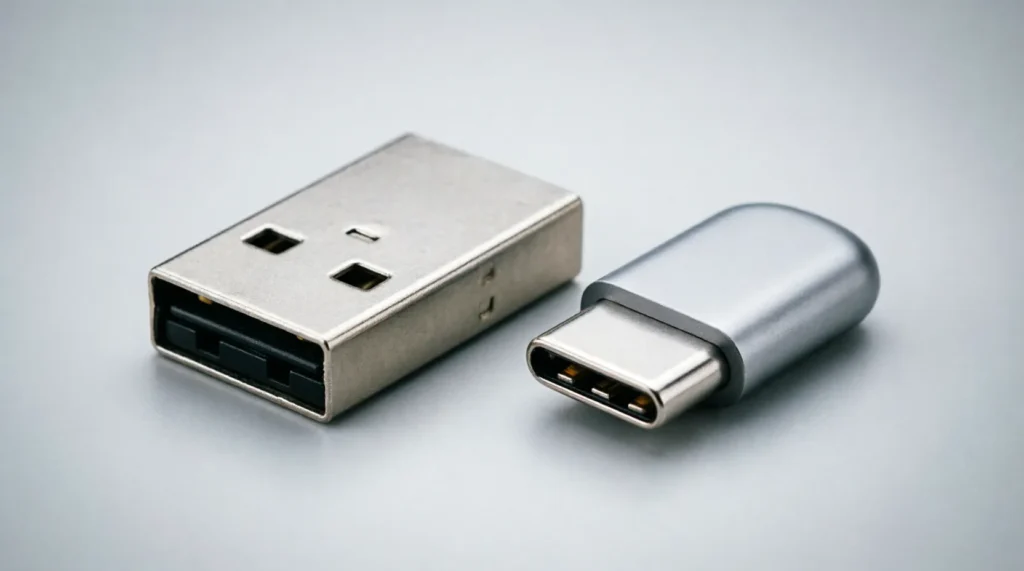
Difference Between USB and USB-C: Clear Guide

Difference Between USB and USB-C: The Complete Guide

Quick answer: USB is the universal standard for connecting devices and transferring data, while USB-C is a specific type of reversible connector that represents the newest physical design within the USB family. Think of USB as the overall technology and USB-C as the modern plug shape that’s replacing older USB connectors. People constantly confuse USB

Difference Between USB and USB-C: The Complete Guide Read More »

Spelling Guides
Idioms About Living Life to the Fullest: Which Phrase to…

Idioms About Living Life to the Fullest: “Live Life to the Fullest” vs. “Seize the Day”

Quick answer: Both “live life to the fullest” and “seize the day” are correct idioms about living life to the fullest, but they’re used in different contexts. Use “live life to the fullest” when describing an ongoing lifestyle or long-term philosophy, and use “seize the day” (or “carpe diem”) when urging immediate action on a

Idioms About Living Life to the Fullest: “Live Life to the Fullest” vs. “Seize the Day” Read More »

Spelling Guides
Why Your English Sounds Wrong: Fix These Common Mistakes Now

Why Your English Sounds Wrong: Fixing the Most Common Pronunciation Mistakes

Quick answer: Your English likely sounds “wrong” because of misplaced stress patterns, incorrect vowel sounds, and rhythm issues—not just individual mispronounced words. Fixing these three core areas will make your speech instantly clearer and more natural to native listeners. If you have ever been told your English is “hard to understand” despite knowing the grammar

Why Your English Sounds Wrong: Fixing the Most Common Pronunciation Mistakes Read More »

Spelling Guides
Scroll to Top