

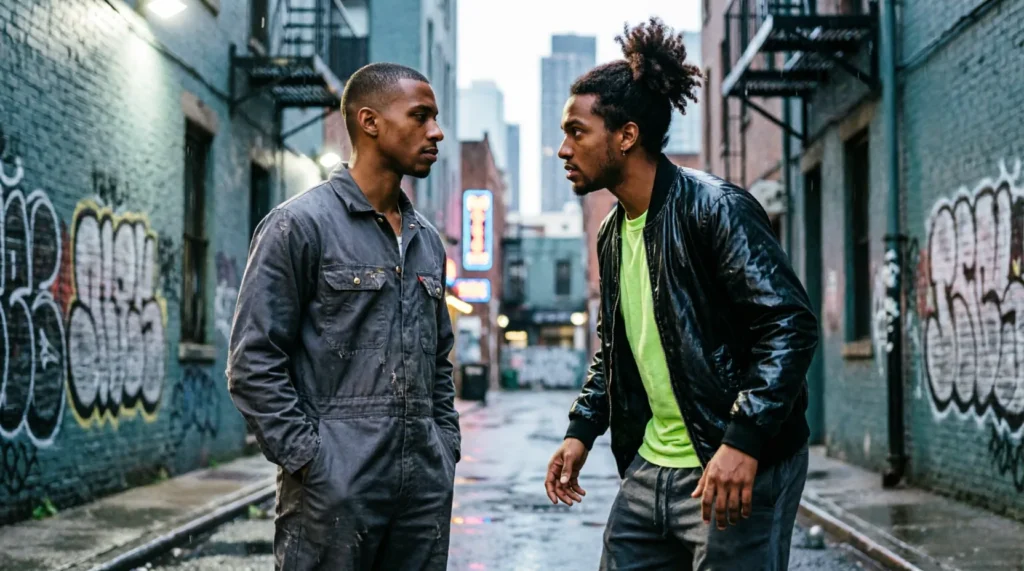
Quick answer: In modern street slang, “op” is short for “opposition” or “enemy,” while “opp” is simply a stylized spelling of the same word. Both refer to rivals or adversaries, but “op” is the standard abbreviation, whereas “opp” emphasizes pronunciation or adds stylistic flair in text and social media.
If you’ve spent any time scrolling through TikTok, listening to drill rap, or reading comments on Instagram, you’ve likely encountered the terms “op” and “opp.” These words have surged from niche street vernacular into mainstream internet culture, causing confusion for many who aren’t familiar with their origins. While they look similar and sound identical, understanding the subtle distinctions in usage and context can help you navigate digital conversations with confidence. As a copy editor who has reviewed countless social media campaigns and youth-oriented content, I see these terms misused frequently, often stripping them of their specific cultural weight.
| Term | Meaning / When to use | Example sentence |
|---|---|---|
| Op | The standard abbreviation for “opposition” or “enemy”; used in serious or casual contexts to refer to a rival. | “He doesn’t talk to his former friend anymore because he’s an op.” |
| Opp | A stylized spelling of “op,” often used for emphasis, aesthetic purposes, or to mimic phonetic pronunciation in text. | “Stay away from the opps if you want to keep your peace.” |
When to use “op”
The term “op” is the foundational abbreviation in this comparison. It stands for “opposition,” a concept deeply rooted in competitive dynamics, whether in sports, business, or street culture. In the context of slang, however, it has evolved to mean an enemy, a rival, or someone who is actively working against you. This usage is prevalent in hip-hop culture, particularly within the drill music scene, where lyrics often detail conflicts with opposing groups.
According to Wikipedia, slang terms often emerge from specific subcultures before gaining broader acceptance, and “op” is a prime example of this trajectory. It started as a shorthand in urban communities and has since permeated global youth culture through social media platforms. When you use “op,” you are referring to a specific individual or group that poses a threat or holds antagonistic feelings toward you. It is a direct, no-nonsense label.
Here are three realistic examples of how “op” appears in everyday digital communication:
- Text Message: “Did you see who commented on my post? That guy is an op from back in the day.”
- Social Media Comment: “Why are you following him? He’s literally your op.”
- Casual Conversation: “I don’t trust her; she’s been acting like an op since the argument last week.”
In professional or formal writing, you should avoid this term entirely. However, in creative writing, marketing targeted at Gen Z, or social media management, using “op” correctly demonstrates cultural literacy. It signals that you understand the gravity of the term—it’s not just a dislike; it implies active opposition.
When to use “opp”
“Opp” is essentially the same word as “op,” but with an added ‘p’ for stylistic effect. This doubling of the consonant is a common phenomenon in internet slang, often used to emphasize the pronunciation or to make the word visually distinct in a text-heavy environment. The extra ‘p’ doesn’t change the meaning, but it does alter the tone slightly, often making it feel more casual, playful, or emphatic.
The term “opp” gained significant traction through viral memes and songs that popularized the phrase “down for the opps” or “f*** the opps.” In these contexts, the spelling “opp” is preferred because it matches the rhythmic flow of the lyrics or the visual aesthetic of the meme. It’s less about precision and more about vibe. When you see “opp,” think of it as the internet’s way of shouting the word rather than just saying it.
Consider these examples where “opp” is the more appropriate choice due to context or tone:
- Instagram Caption: “No time for the opps. 🚫 #Focus #Grind”
- TikTok Video Text Overlay: “When you spot an opp at the party 😬”
- Group Chat: “Y’all seeing this? The opps are trying to start drama again.”
Using “opp” in a serious discussion about actual conflict might seem dismissive or too informal, whereas “op” carries a bit more weight. However, in most casual online interactions, the two are interchangeable. The choice often comes down to personal preference or the specific subculture you are engaging with. For instance, some communities strictly use “op,” while others prefer the visual punch of “opp.”
How to remember the difference
Remembering the distinction between “op” and “opp” is simple if you focus on their function rather than their definition. Since they mean the same thing, the difference lies in their presentation. Think of “op” as the standard, dictionary-style abbreviation—clean, efficient, and direct. It’s the word you would use if you were explaining the concept to someone unfamiliar with the slang.
On the other hand, think of “opp” as the “loud” version. The double ‘p’ mimics the sound of a stop or a sharp ending, which aligns with the abrupt nature of calling someone an enemy. A useful mnemonic is: “Op is for opinion; Opp is for emphasis.” While “op” doesn’t actually stand for opinion in this context, the association helps you remember that the single ‘p’ version is the neutral, standard form. The double ‘p’ version is the one you use when you want to add flair or match the rhythm of a song or meme.
Another trick is to look at the platform. On Twitter (X) or LinkedIn, where character count and professionalism matter more, “op” is more common. On TikTok, Instagram, or in music lyrics, “opp” dominates because it fits the visual and auditory aesthetic better. If you’re unsure, default to “op.” It is never wrong, whereas “opp” might seem out of place in certain semi-serious contexts.
Common mistakes and exceptions
One of the most common mistakes I see is people using “op” or “opp” to describe anyone they simply disagree with. This dilutes the meaning. An “op” is not just someone who has a different political view or dislikes your favorite movie; an “op” is an adversary, someone who actively opposes you. Using it lightly can come across as dramatic or insensitive, especially given the term’s roots in serious street conflicts.
Another error is mixing up “op” with “OP,” which stands for “Original Poster” in online forums like Reddit. Context is key here. If you’re on a forum discussing a thread, “OP” refers to the person who started the conversation. If you’re in a comment section discussing rivalry or conflict, “op” refers to an enemy. Capitalization can help clarify this, but in lowercase-heavy social media environments, you must rely on the surrounding text to determine the meaning.
There are also regional variations. In some UK drill scenes, the term might be used differently or paired with other slang words. According to Wikipedia, the term has specific cultural connotations in Chicago and London drill music, where it refers to rival gangs or individuals. Outside of these contexts, using the term can be seen as cultural appropriation if done without understanding its gravity. Always be mindful of the source and the seriousness of the situation before labeling someone an “op.”
Additionally, avoid using these terms in professional settings. Even in creative industries, labeling a colleague or competitor as an “op” can damage your reputation. It suggests a level of hostility that is unprofessional. Reserve these terms for casual, personal, or artistic contexts where the slang is understood and accepted.
Frequently Asked Questions
Is “op” short for opponent or opposition? It is short for “opposition,” though it is often used interchangeably with “opponent” in casual conversation. The root meaning refers to the opposing side or force.
Can I use “opp” in formal writing? No, “opp” is strictly informal slang. It should never be used in academic, professional, or formal writing. Stick to standard English terms like “rival,” “adversary,” or “competitor.”
Why do some people spell it “opp” instead of “op”? The double ‘p’ is a stylistic choice that emphasizes pronunciation and fits the aesthetic of internet culture and music lyrics. It doesn’t change the meaning but adds visual and rhythmic weight.
Is calling someone an “op” considered offensive? It can be, depending on the context. Given its roots in street culture and conflict, labeling someone an “op” implies hostility and enmity. Use it carefully and only in appropriate casual contexts.

Samantha Jones graduated with a Bachelor’s degree in English Literature from Oxford University and has been involved in language education for over 15 years. Her expertise lies in comparative language analysis, focusing particularly on the differences and similarities in spelling across various English dialects. Samantha’s passion for this niche developed from her love of storytelling and desire to preserve the subtle differences that make English unique around the globe. On SpellRightDaily, she crafts detailed articles that compare common spelling errors and offer practical advice for writers and editors looking to polish their work. Samantha’s content is known for its clarity and depth, helping readers decode complex spelling issues and improve their writing skills. She also enjoys delving into the psychology of language learning, and how cognitive factors influence the retention of correct spelling patterns. Her engaging writing encourages a deeper appreciation of the language’s rich diversity.