

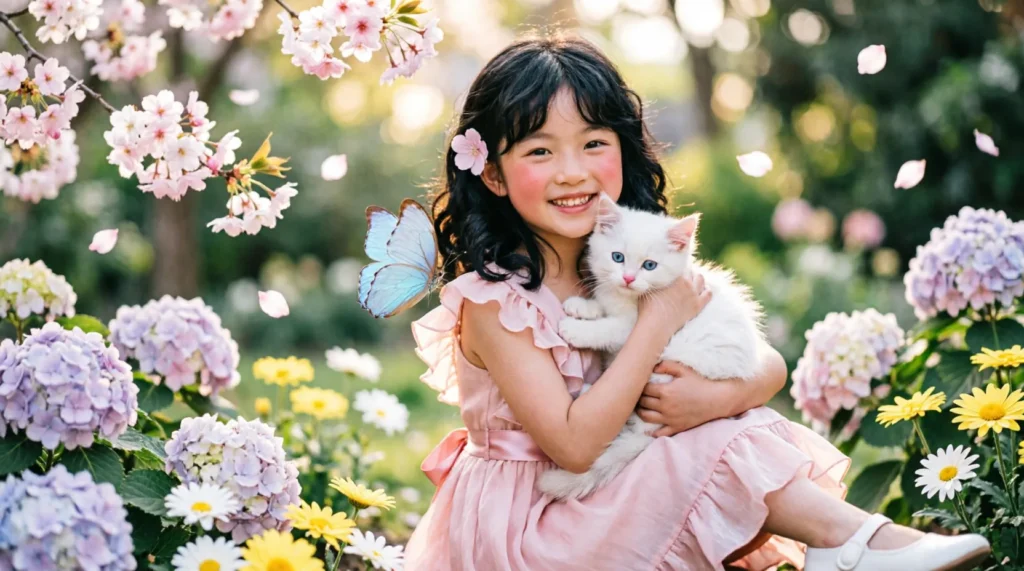
Quick answer: Cute similes for a girl are comparisons using “like” or “as” that highlight sweetness, charm, or endearing qualities (e.g., “cute as a button,” “sweet as pie”). Use them in creative writing, compliments, or casual conversation to add warmth and vivid imagery.
Similes are one of the most accessible and effective tools in descriptive writing. Unlike metaphors, which state that one thing is another, similes use “like” or “as” to draw gentle, relatable comparisons that readers instantly understand. When describing someone with affection or admiration, cute similes create an immediate emotional connection and paint a vivid picture with just a few words.
This guide compiles the best cute similes for describing a girl, organized by the quality they emphasize—from sweetness and brightness to playfulness and grace. Whether you’re writing a story, crafting a heartfelt message, or just looking for the perfect compliment, you’ll find options that feel fresh and genuine.
What Makes a Simile “Cute”?
According to Wikipedia’s entry on similes, a simile is “a figure of speech that directly compares two different things” using connecting words like “like” or “as.” What elevates a simile from merely descriptive to genuinely cute is the emotional resonance of the comparison.
Cute similes typically:
- Reference universally beloved things (baby animals, sweets, sunshine)
- Evoke warmth, innocence, or charm
- Use familiar, accessible imagery
- Create an immediate smile or feeling of affection
The concept of “cute” itself, as explored in Wikipedia’s article on cuteness, triggers nurturing responses and positive emotions. When you pair this psychological response with the clarity of a simile, you get language that’s both memorable and heartwarming.
Classic Cute Similes That Never Get Old
These time-tested comparisons work because they’re instantly recognizable and carry generations of positive associations:
| Simile | Best Used When… | Example |
|---|---|---|
| Cute as a button | Describing someone petite and charming | “She’s as cute as a button in that little dress.” |
| Sweet as pie | Highlighting kindness or pleasant personality | “My niece is sweet as pie—she made me a card when I was sick.” |
| Pretty as a picture | Emphasizing visual beauty | “She stood there, pretty as a picture, with flowers in her hair.” |
| Bright as a button | Describing intelligence and alertness | “That girl is bright as a button—she solved the puzzle in minutes.” |
| Fresh as a daisy | Conveying energy and cleanliness | “After her nap, she woke up fresh as a daisy.” |
Similes for Sweetness and Kindness
Use these when you want to emphasize someone’s gentle, caring nature:
Sweet as honey
- Perfect for describing someone with a naturally warm disposition
- Example: “She’s sweet as honey with everyone she meets, even strangers.”
Kind as an angel
- Best for highlighting exceptional compassion or helpfulness
- Example: “My sister is kind as an angel—she volunteers every weekend.”
Gentle as a lamb
- Use when describing someone soft-spoken or tender-hearted
- Example: “Despite her strength, she’s gentle as a lamb with children.”
Warm as sunshine
- Ideal for someone whose presence makes others feel comfortable
- Example: “Her laugh is warm as sunshine on a spring morning.”
Similes for Playfulness and Energy
These capture someone’s spirited, lively personality:
Bouncy as a puppy
- Great for describing youthful energy and enthusiasm
- Example: “She came into the room bouncy as a puppy, excited about her day.”
Quick as a cricket
- Use for someone agile, fast-moving, or mentally sharp
- Example: “That girl is quick as a cricket—always the first to answer.”
Lively as a kitten
- Perfect for playful, curious personalities
- Example: “On Saturday mornings, she’s lively as a kitten, ready for adventure.”
Bright as morning dew
- Describes someone fresh, sparkling, full of potential
- Example: “Her optimism is bright as morning dew after a storm.”
Similes for Beauty and Grace
When you want to compliment appearance or elegance:
Lovely as a rose
- Classic choice for timeless beauty
- Example: “She looked lovely as a rose in her evening gown.”
Graceful as a swan
- Best for describing elegant movement or poise
- Example: “She moved across the stage graceful as a swan.”
Radiant as the moon
- Use for someone with a soft, glowing beauty
- Example: “In that candlelight, she was radiant as the moon.”
Delicate as a flower
- Perfect for describing refined features or gentle demeanor
- Example: “Her handwriting is delicate as a flower petal.”
Similes for Intelligence and Wit
Cute doesn’t mean you can’t highlight brains too:
Sharp as a tack
- For someone quick-witted and mentally agile
- Example: “Don’t let her cute smile fool you—she’s sharp as a tack.”
Clever as a fox
- Use for someone resourceful and smart
- Example: “She figured out the solution, clever as a fox.”
Bright as a new penny
- Describes someone shiny, fresh, and intelligent
- Example: “That student is bright as a new penny—always asking great questions.”
How to Choose the Right Simile
Not every cute simile fits every situation. Consider these factors:
Context matters
- Formal writing: Choose timeless, classic similes (“pretty as a picture”)
- Casual conversation: Feel free to use playful ones (“bouncy as a puppy”)
- Romantic writing: Opt for elegant comparisons (“radiant as the moon”)
Avoid mixed messages
- Don’t pair “cute as a button” with “fierce as a lion” in the same description unless you’re intentionally showing contrast
- Pick similes that reinforce the same overall impression
Keep it fresh
- “Cute as a button” works, but it’s been used a million times
- Try “cute as a baby panda” or “cute as a pocket-sized superhero” for originality
Common Mistakes to Avoid
Even well-intentioned similes can fall flat if you’re not careful:
Overusing similes
- One or two well-placed similes per paragraph is plenty
- Too many make writing feel forced and childish
- Example of overuse: “She was cute as a button, sweet as pie, and bright as sunshine all at once” (pick one!)
Choosing inappropriate comparisons
- Avoid similes that might infantilize adult women unless context demands it
- “Cute as a baby” works for actual babies, not professional settings
- Save the most playful similes for casual, affectionate contexts
Mixing “like” and “as” incorrectly
- Use “as” with adjectives: “as cute as,” “as sweet as”
- Use “like” with nouns: “like sunshine,” “like a puppy”
- Wrong: “She’s cute like a button” (should be “as cute as a button”)
Real-World Examples: Before and After
Here’s how cute similes transform ordinary writing:
Email to a friend:
- Before: “Your daughter is really adorable.”
- After: “Your daughter is as cute as a button—I couldn’t stop smiling at her photos!”
Creative writing:
- Before: “She was a sweet girl who made everyone happy.”
- After: “She was sweet as honey, the kind of person who made even rainy days feel brighter.”
Text message compliment:
- Before: “You look nice today.”
- After: “You’re glowing today—radiant as the moon!”
Performance review (professional but warm):
- Before: “She’s intelligent and quick to learn.”
- After: “She’s bright as a new penny, picking up new systems faster than anyone on the team.”
Frequently Asked Questions
Are similes better than metaphors for describing someone? Neither is inherently better—it depends on your goal. Similes are gentler and more accessible (“she’s like sunshine”), while metaphors are bolder and more poetic (“she is sunshine”). For cute, warm descriptions, similes often feel more natural and less intense.
Can I create my own cute similes? Absolutely! The best similes often come from personal observation. Think about what reminds you of the person you’re describing—their laugh might be “like wind chimes,” or their energy might be “like a sparkler.” Just make sure the comparison is clear and relatable.
Is it appropriate to use cute similes in professional writing? Generally no, unless you’re in a creative field or writing something informal like a team celebration email. In professional contexts, stick to clear, direct language. Save “cute as a button” for personal messages, stories, or casual compliments.
What’s the difference between “cute as” and “cute like”? “Cute as” is the traditional, grammatically standard form when followed by a noun (“cute as a button”). “Cute like” is more conversational and increasingly common in informal speech (“cute like a puppy”). For formal writing, use “as”; for casual contexts, either works.

Kevin Sanchez holds a Master’s degree in English Linguistics from the University of California, where he cultivated a deep appreciation for the intricacies of language. With over 10 years of experience in the field, Kevin specializes in the nuances of English spelling, particularly the evolution of spelling conventions over time. His fascination with how English words have transformed through cultural and technological influences led him to become a prominent voice at SpellRightDaily. Kevin produces content focused on historical spelling variations and their contemporary implications, offering readers insightful comparisons of British and American English. Beyond this, Kevin has a keen interest in educating readers about the rules that govern standard spelling and the exceptions that often lead to confusion. His articles frequently feature tips for mastering complex spelling patterns and understanding the etymology of perplexing words. Kevin’s dedication to clarity and accessibility makes his contributions invaluable to both casual readers and English language professionals.