

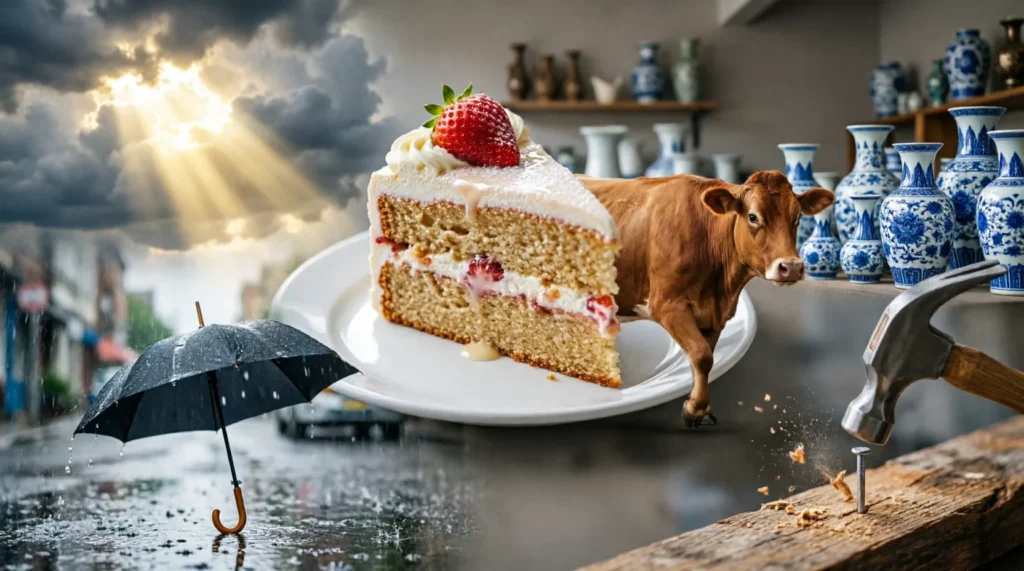
Quick answer: American idioms from A to Z are expressions where the meaning cannot be deduced from the individual words—like “break a leg” (good luck) or “piece of cake” (easy task). Mastering these phrases is essential for understanding casual American English and sounding natural in conversation.
If you’ve ever been confused when an American said they were “under the weather” or needed to “bite the bullet,” you’re not alone. Idioms are one of the trickiest parts of learning English because their meanings have nothing to do with the literal words. This comprehensive guide walks you through essential American idioms from A to Z, giving you the tools to understand and use these colorful expressions with confidence.
What Are American Idioms and Why Do They Matter?
Idioms are fixed expressions with figurative meanings that differ from their literal interpretations. these phrases are deeply embedded in everyday American English and appear constantly in casual conversation, business settings, and media.
The challenge? You can’t translate idioms word-for-word. When someone says “it’s raining cats and dogs,” they’re not talking about falling pets—they mean it’s raining heavily. Learning American idioms from A to Z helps you move beyond textbook English and understand how native speakers actually communicate.
American Idioms from A to Z: The Complete List
Here’s your comprehensive reference for the most common American idioms, organized alphabetically for easy lookup:
A Idioms
A blessing in disguise
- Meaning: Something that seems bad at first but turns out to be good
- Example: Losing that job was a blessing in disguise—I found a much better position two months later.
A dime a dozen
- Meaning: Very common, easy to find
- Example: Generic action movies are a dime a dozen these days.
A piece of cake
- Meaning: Very easy
- Example: The math test was a piece of cake; I finished in 20 minutes.
Actions speak louder than words
- Meaning: What you do is more important than what you say
- Example: He keeps promising to help, but actions speak louder than words.
B Idioms
Beat around the bush
- Meaning: Avoid saying what you mean, usually because it’s uncomfortable
- Example: Stop beating around the bush and tell me if I got the job.
Best of both worlds
- Meaning: An ideal situation combining two different advantages
- Example: Working from home three days a week gives me the best of both worlds.
Bite the bullet
- Meaning: To force yourself to do something unpleasant or difficult
- Example: I hated public speaking, but I bit the bullet and gave the presentation.
Break a leg
- Meaning: Good luck (especially before a performance)
- Example: You’ve rehearsed for weeks—break a leg tonight!
Break the ice
- Meaning: To make people feel more comfortable in a social situation
- Example: He told a funny joke to break the ice at the start of the meeting.
C Idioms
Call it a day
- Meaning: Stop working on something
- Example: We’ve been at this for six hours; let’s call it a day and continue tomorrow.
Calm before the storm
- Meaning: A quiet period before something chaotic happens
- Example: The office is unusually quiet—it’s the calm before the storm of deadline week.
Come rain or shine
- Meaning: No matter what happens
- Example: I’ll be at your graduation, come rain or shine.
Cost an arm and a leg
- Meaning: Very expensive
- Example: That designer handbag costs an arm and a leg.
Cross that bridge when you come to it
- Meaning: Deal with a problem only when it happens, not before
- Example: I’m not worried about next year’s taxes yet; I’ll cross that bridge when I come to it.
D Idioms
Devil’s advocate
- Meaning: Someone who argues against something to test the idea
- Example: Let me play devil’s advocate—what if the client rejects our proposal?
Don’t count your chickens before they hatch
- Meaning: Don’t assume something will happen before it actually does
- Example: You haven’t signed the contract yet, so don’t count your chickens before they hatch.
Don’t give up your day job
- Meaning: You’re not very good at something (said humorously)
- Example: After hearing me sing, my friend joked, “Don’t give up your day job.”
E Idioms
Easy come, easy go
- Meaning: Money acquired easily is spent easily
- Example: I won $100 at the casino and spent it all the same night—easy come, easy go.
Every cloud has a silver lining
- Meaning: There’s something good in every bad situation
- Example: Losing my phone was frustrating, but every cloud has a silver lining—I finally upgraded to a better model.
F Idioms
Face the music
- Meaning: Accept the consequences of your actions
- Example: I skipped the meeting, and now I have to face the music with my boss.
Fair and square
- Meaning: Honestly, without cheating
- Example: We won the game fair and square.
Feeling under the weather
- Meaning: Feeling sick or unwell
- Example: I’m feeling under the weather, so I won’t come to the office today.
Fit as a fiddle
- Meaning: In excellent health
- Example: My grandmother is 85 and still fit as a fiddle.
G Idioms
Get a second wind
- Meaning: Have renewed energy after being tired
- Example: I was exhausted at 6 PM, but after dinner I got a second wind.
Get cold feet
- Meaning: Become nervous and change your mind about doing something
- Example: He got cold feet right before proposing and waited another month.
Get out of hand
- Meaning: Become difficult to control
- Example: The party got out of hand when 50 uninvited guests showed up.
Get something off your chest
- Meaning: Talk about something that’s been bothering you
- Example: I needed to get my frustration off my chest, so I called my best friend.
Give someone the benefit of the doubt
- Meaning: Trust someone’s statement even though you’re not sure it’s true
- Example: I didn’t see the whole argument, so I gave her the benefit of the doubt.
H Idioms
Hang in there
- Meaning: Don’t give up; be patient
- Example: I know finals week is tough, but hang in there—it’s almost over.
Hit the books
- Meaning: Study hard
- Example: I can’t go out tonight; I need to hit the books for tomorrow’s exam.
Hit the hay
- Meaning: Go to bed
- Example: It’s midnight, and I have an early meeting, so I’m going to hit the hay.
Hit the nail on the head
- Meaning: Describe exactly what is causing a situation or problem
- Example: When you said the issue was poor communication, you hit the nail on the head.
Hit the sack
- Meaning: Go to bed
- Example: After that 12-hour shift, I hit the sack as soon as I got home.
I Idioms
In hot water
- Meaning: In trouble
- Example: I’m in hot water with my roommate for eating her leftovers.
In the heat of the moment
- Meaning: During a highly emotional situation
- Example: I said things in the heat of the moment that I regret.
In the same boat
- Meaning: In the same difficult situation
- Example: We’re all in the same boat—none of us studied for this test.
J Idioms
Jump on the bandwagon
- Meaning: Join others in doing something popular
- Example: Once the team started winning, everyone jumped on the bandwagon.
Jump the gun
- Meaning: Start something too early
- Example: Don’t jump the gun and buy tickets before we confirm the date.
K Idioms
Keep something at bay
- Meaning: Keep something away or under control
- Example: I drink orange juice to keep colds at bay.
Keep your chin up
- Meaning: Stay positive in difficult times
- Example: Keep your chin up—you’ll find a new job soon.
Kill two birds with one stone
- Meaning: Accomplish two things with a single action
- Example: By cycling to work, I kill two birds with one stone: I save money and get exercise.
L Idioms
Last straw
- Meaning: The final problem in a series that makes you lose patience
- Example: When he showed up an hour late again, that was the last straw.
Let the cat out of the bag
- Meaning: Reveal a secret
- Example: We were planning a surprise party, but my brother let the cat out of the bag.
Let someone off the hook
- Meaning: Not hold someone responsible for something
- Example: The teacher let me off the hook for the late assignment because I was sick.
M Idioms
Make a long story short
- Meaning: Tell something briefly
- Example: To make a long story short, we missed the flight and had to stay overnight.
Make matters worse
- Meaning: Make a bad situation even worse
- Example: I was already late, and getting lost made matters worse.
Miss the boat
- Meaning: Be too late to take advantage of an opportunity
- Example: I waited too long to buy tickets, and now I’ve missed the boat.
N Idioms
No pain, no gain
- Meaning: You have to work hard to achieve something
- Example: Training for a marathon is exhausting, but no pain, no gain.
No skin off my nose
- Meaning: It doesn’t affect me
- Example: Whether they choose pizza or tacos is no skin off my nose.
Not playing with a full deck
- Meaning: Not very intelligent or mentally unstable
- Example: He thinks the moon is made of cheese—he’s not playing with a full deck.
O Idioms
Off the hook
- Meaning: No longer in trouble or responsible for something
- Example: The charges were dropped, so he’s off the hook.
On cloud nine
- Meaning: Extremely happy
- Example: She’s been on cloud nine since she got engaged.
On the ball
- Meaning: Alert and efficient
- Example: Our new assistant is really on the ball; she caught the error immediately.
Once in a blue moon
- Meaning: Very rarely
- Example: My brother lives abroad, so I see him once in a blue moon.
P Idioms
Piece of cake
- Meaning: Very easy
- Example: The driving test was a piece of cake.
Play devil’s advocate
- Meaning: Argue against something to test the idea
- Example: I’ll play devil’s advocate—what if our assumptions are wrong?
Pull someone’s leg
- Meaning: Joke with someone
- Example: I’m not serious; I’m just pulling your leg.
Pull yourself together
- Meaning: Calm down and behave normally
- Example: Pull yourself together before the interview.
Q Idioms
Quick on the uptake
- Meaning: Quick to understand
- Example: She’s quick on the uptake and learned the software in an hour.
R Idioms
Rain check
- Meaning: Postpone an invitation
- Example: Can I take a rain check? I’m swamped this week.
Ring a bell
- Meaning: Sound familiar
- Example: That name rings a bell, but I can’t place it.
Rule of thumb
- Meaning: General principle based on practice
- Example: As a rule of thumb, arrive 10 minutes early.
S Idioms
Save for a rainy day
- Meaning: Keep money for future needs
- Example: I save 20% of my paycheck for a rainy day.
See eye to eye
- Meaning: Agree completely
- Example: My boss and I don’t see eye to eye on this project.
Sit on the fence
- Meaning: Avoid making a decision
- Example: Stop sitting on the fence and choose a side.
Spill the beans
- Meaning: Reveal a secret
- Example: Who spilled the beans about the merger?
Straight from the horse’s mouth
- Meaning: Directly from the source
- Example: I heard it straight from the horse’s mouth—the CEO is retiring.
T Idioms
Take it with a grain of salt
- Meaning: Don’t completely believe something
- Example: Take his advice with a grain of salt; he’s not an expert.
Take something for granted
- Meaning: Not appreciate something properly
- Example: Don’t take your health for granted.
The ball is in your court
- Meaning: It’s your turn to make a decision
- Example: I’ve made my offer; now the ball is in your court.
The best of both worlds
- Meaning: Enjoy advantages from two different situations
- Example: Working remotely gives me the best of both worlds.
The elephant in the room
- Meaning: An obvious problem everyone avoids discussing
- Example: His firing was the elephant in the room at the meeting.
The last straw
- Meaning: The final problem that makes you lose patience
- Example: Missing the deadline was the last straw.
Through thick and thin
- Meaning: No matter what happens
- Example: Best friends stick together through thick and thin.
Throw in the towel
- Meaning: Give up
- Example: After three failed attempts, he threw in the towel.
Time flies
- Meaning: Time passes quickly
- Example: Time flies when you’re having fun.
Tip of the iceberg
- Meaning: Small visible part of a larger problem
- Example: The complaints are just the tip of the iceberg.
To make matters worse
- Meaning: Make a bad situation even worse
- Example: It was raining, and to make matters worse, I forgot my umbrella.
U Idioms
Under the weather
- Meaning: Feeling sick
- Example: I’m feeling under the weather and won’t come to work.
Up in the air
- Meaning: Uncertain
- Example: Our vacation plans are still up in the air.
V Idioms
Vote with your feet
- Meaning: Show your opinion by leaving
- Example: Customers voted with their feet and went to competitors.
W Idioms
Wake-up call
- Meaning: An event that makes you realize a problem
- Example: The accident was a wake-up call about road safety.
Water under the bridge
- Meaning: Past events that are no longer important
- Example: Our argument is water under the bridge now.
When pigs fly
- Meaning: Something that will never happen
- Example: He’ll clean his room when pigs fly.
Whole nine yards
- Meaning: Everything possible
- Example: For their wedding, they went the whole nine yards.
Wrap your head around something
- Meaning: Understand something complicated
- Example: I can’t wrap my head around quantum physics.
Y Idioms
You can say that again
- Meaning: I strongly agree
- Example: “This test is hard.” “You can say that again!”
Your guess is as good as mine
- Meaning: I don’t know
- Example: “When will the package arrive?” “Your guess is as good as mine.”
Z Idioms
Zero in on
- Meaning: Focus attention on
- Example: The detective zeroed in on the key evidence.
How to Actually Learn and Remember These Idioms
the key to mastering idioms isn’t memorization—it’s context and repetition. Here’s what works:
Read and listen actively. When you encounter an idiom in a movie, book, or conversation, write it down with the context. Notice how native speakers use “break the ice” at networking events or “hit the books” during exam season.
Practice with real situations. Don’t just study idioms in isolation. Try using one new idiom per day in actual conversations, emails, or journal entries. For example, text a friend: “I’m feeling under the weather today” instead of “I’m sick.” For more, see A Reference Guide to American English Idioms.
Group idioms by theme. Learn related idioms together: all the work-related ones (hit the books, call it a day, burn the midnight oil), all the emotion-related ones (on cloud nine, under the weather, over the moon).
Common Mistakes and Exceptions
Mistake #1: Changing the words. Idioms are fixed expressions. You can’t say “break a foot” instead of “break a leg” or “piece of pie” instead of “piece of cake.” The exact wording matters.
Mistake #2: Literal translation. If you translate idioms word-for-word into another language, they’ll sound nonsensical. Always learn the figurative meaning, not the literal words.
Mistake #3: Using idioms in formal writing. While idioms are perfect for casual conversation, they’re often inappropriate in academic papers, legal documents, or formal business reports. Know your audience.
Regional variations: Some idioms differ between American and British English. Americans say “take a rain check” while Brits might say “give it a miss.” Americans say “ballpark figure” while Brits say “ballpark estimate.” Stick with American idioms if you’re communicating with Americans. For more, see English idioms | EF United States.
Frequently Asked Questions
What’s the difference between an idiom and a proverb? An idiom is a phrase with figurative meaning (like “kick the bucket” meaning to die), while a proverb is a short saying that offers advice or wisdom (like “actions speak louder than words”). All proverbs can stand alone as complete thoughts; idioms usually function as part of a sentence.
How many American idioms are there? There’s no exact count, but linguists estimate there are at least 25,000 idioms in English, with thousands used regularly in American English. The idioms listed here represent the most common ones you’ll encounter in everyday conversation.
Can I create my own idioms? Generally no—idioms are fixed expressions that become popular through widespread use over time. If you invent a phrase, it won’t be understood unless it catches on culturally. Stick to established idioms until you’re completely fluent.
Why do Americans use so many idioms? Idioms make language more colorful, efficient, and culturally connected. They allow native speakers to convey complex ideas quickly and create a sense of shared understanding. Using idioms correctly signals that you’re comfortable with informal, natural English.

Kevin Sanchez holds a Master’s degree in English Linguistics from the University of California, where he cultivated a deep appreciation for the intricacies of language. With over 10 years of experience in the field, Kevin specializes in the nuances of English spelling, particularly the evolution of spelling conventions over time. His fascination with how English words have transformed through cultural and technological influences led him to become a prominent voice at SpellRightDaily. Kevin produces content focused on historical spelling variations and their contemporary implications, offering readers insightful comparisons of British and American English. Beyond this, Kevin has a keen interest in educating readers about the rules that govern standard spelling and the exceptions that often lead to confusion. His articles frequently feature tips for mastering complex spelling patterns and understanding the etymology of perplexing words. Kevin’s dedication to clarity and accessibility makes his contributions invaluable to both casual readers and English language professionals.